
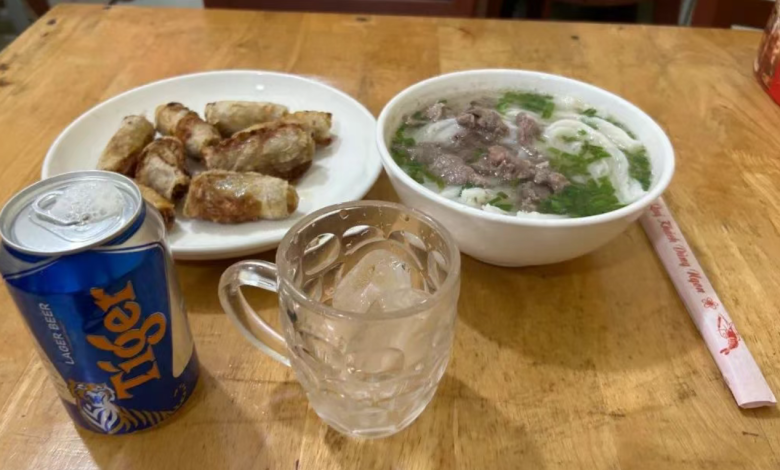
Vietnam is a country celebrated for its vibrant culture, breathtaking landscapes, and, most importantly, its incredible cuisine. From aromatic noodle soups to crispy spring rolls, Vietnamese food offers a perfect balance of flavors—sweet, sour, spicy, and umami—all in one bite. But what truly makes Vietnamese cuisine unforgettable is its street food culture.
In this guide, I’ll take you through some of Vietnam’s most beloved traditional dishes and street food delights. Whether you’re planning a trip or simply curious about Vietnamese flavors, this article will help you discover the must-try foods that define Vietnam’s culinary identity.
1. Pho: Vietnam’s Iconic Noodle Soup
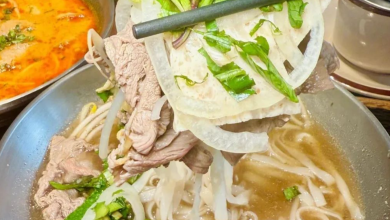
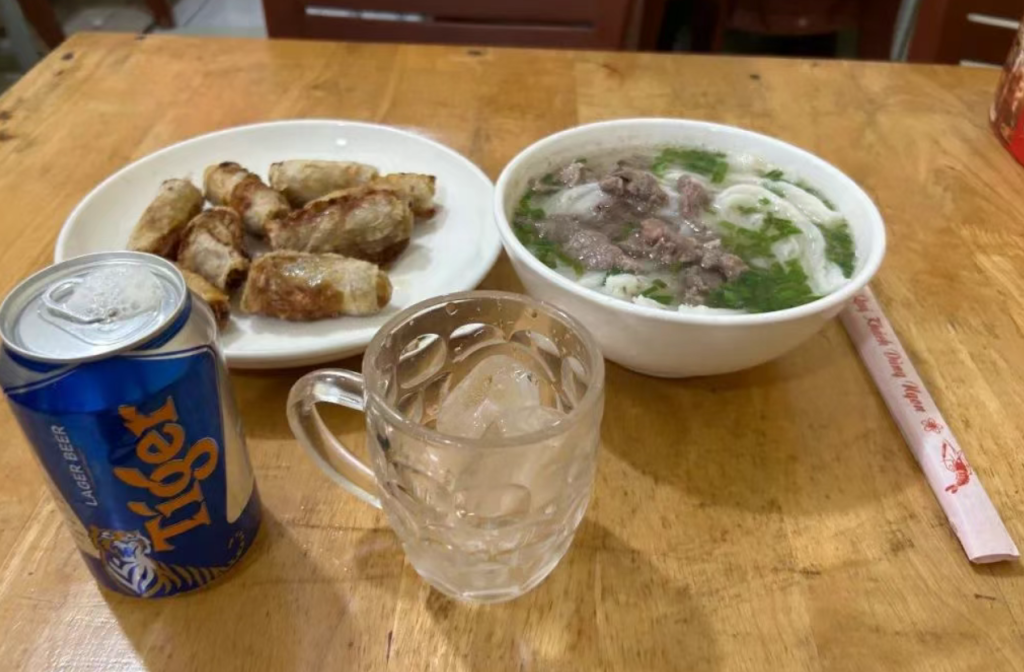
No visit to Vietnam is complete without trying pho, the country’s most famous dish. This fragrant noodle soup is a breakfast staple but is enjoyed at any time of the day. Made with rice noodles, slow-cooked beef or chicken broth, tender slices of meat, and fresh herbs, pho is a harmonious blend of textures and flavors.
Origins & Variations
Pho originated in Northern Vietnam in the early 20th century, influenced by both French and Chinese culinary traditions. The French introduced beef-based broths, while the Chinese brought rice noodles. Today, there are two main versions:
- Pho Bo (Beef Pho) – Rich, deep-flavored broth with thinly sliced beef, sometimes including brisket or meatballs.
- Pho Ga (Chicken Pho) – Lighter but equally aromatic, made with chicken and a clear, savory broth.
How to Eat Pho Like a Local
When I visited Hanoi, I learned that the best way to enjoy pho is to add lime, chili, and fresh herbs like Thai basil and bean sprouts. The broth should be clear yet deeply flavorful, with just the right amount of spice. Street vendors often serve it for $1–$3, making it one of the most affordable yet satisfying meals you’ll ever have.
2. Banh Mi: The Perfect Vietnamese Sandwich
Vietnam’s banh mi is a legacy of French colonialism, but it has evolved into something uniquely Vietnamese. This crusty baguette sandwich is packed with pork, pâté, pickled vegetables, cilantro, and chili, creating a perfect mix of savory, tangy, and spicy flavors.
Why Banh Mi Stands Out
What makes banh mi special is its contrast in textures and flavors:
- Crispy baguette (a French influence)
- Savory fillings (grilled pork, Vietnamese sausage, or even fried eggs)
- Fresh and pickled veggies (carrots, daikon, cucumber)
- Spicy kick (from chili sauce or fresh jalapeños)
Where to Find the Best Banh Mi
In my experience, the best banh mi comes from small street stalls rather than fancy restaurants. In Ho Chi Minh City, Banh Mi Huynh Hoa is legendary for its generous fillings, while Hanoi’s Banh Mi 25 offers a more modern twist. Prices range from $1–$2, making it an ideal quick meal.
3. Goi Cuon (Fresh Spring Rolls): A Healthy Delight
Unlike fried spring rolls, goi cuon (fresh spring rolls) are light, fresh, and packed with vibrant ingredients. These translucent rice paper rolls are filled with shrimp, pork, vermicelli noodles, lettuce, and herbs, served with a side of peanut or hoisin dipping sauce.
Why They’re a Must-Try
- Healthy yet flavorful – Perfect for a light meal or snack.
- Customizable – Some versions include grilled beef or tofu for vegetarians.
- Refreshing – The combination of herbs and dipping sauce makes them incredibly addictive.
When I first tried goi cuon in Saigon, I was amazed by how such simple ingredients could create such a burst of flavor. Street vendors often sell them for $0.50–$1 per roll, making them a great on-the-go snack.
4. Bun Cha: Hanoi’s Grilled Pork Noodles
Made famous by former U.S. President Barack Obama during his visit to Vietnam, bun cha is a Hanoi specialty consisting of grilled pork patties, rice noodles, fresh herbs, and a sweet-sour dipping broth.
What Makes It Unique?
- Smoky grilled pork – The meat is marinated in fish sauce, sugar, and garlic before grilling.
- Interactive eating – You dip noodles and herbs into the broth, adjusting flavors as you go.
- Perfect balance – The broth is slightly sweet, sour, and savory all at once.
I personally recommend trying bun cha at Bun Cha Huong Lien (the same spot Obama visited) or from a local street vendor for an authentic experience.
5. Vietnamese Coffee: Strong, Sweet, and Unforgettable
Vietnam is the world’s second-largest coffee exporter, and its coffee culture is a must-experience. The most famous style is ca phe sua da (iced coffee with condensed milk), brewed using a small metal drip filter (phin).
Why Vietnamese Coffee Stands Out
- Strong and bold flavor – Made with robusta beans, which have a higher caffeine content.
- Sweet and creamy – Condensed milk balances the bitterness.
- Unique brewing method – The slow drip process enhances the coffee’s richness.
When I visited a café in Hanoi, I was fascinated by how such a simple method could produce such a rich, flavorful cup. Prices range from $1–$3, making it an affordable luxury.
Final Thoughts: Exploring Vietnam’s Street Food Scene
Vietnam’s street food is more than just meals—it’s a cultural experience. From the bustling alleys of Hanoi to the vibrant markets of Ho Chi Minh City, every bite tells a story. If you’re planning a trip, don’t miss:
✔ Pho for a comforting bowl of noodles
✔ Banh Mi for a quick, flavorful sandwich
✔ Goi Cuon for a fresh, healthy snack
✔ Bun Cha for a taste of Hanoi’s grilled pork
✔ Vietnamese Coffee for a caffeine kick
Have you tried any of these dishes? Which one is your favorite? Let me know in the comments!
Hungry for more travel food guides? Follow me for more culinary adventures! 🚀