
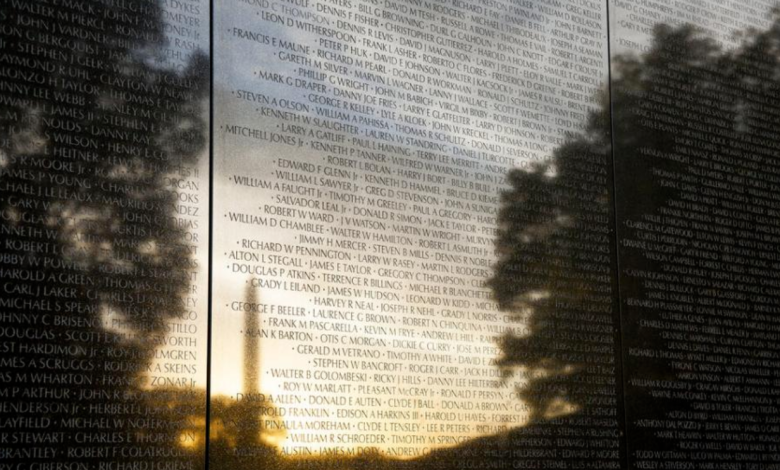
The Vietnam Veterans Memorial in Washington, D.C. stands as one of America’s most powerful sacred spaces, where polished black granite reflects both the names of the fallen and the raw emotions of visitors. Having visited “The Wall” dozens of times since my first trip in 2005—sometimes as a researcher, often as a witness to others’ grief—I’ve documented how this unconventional monument continues to shape national healing four decades after its controversial debut.
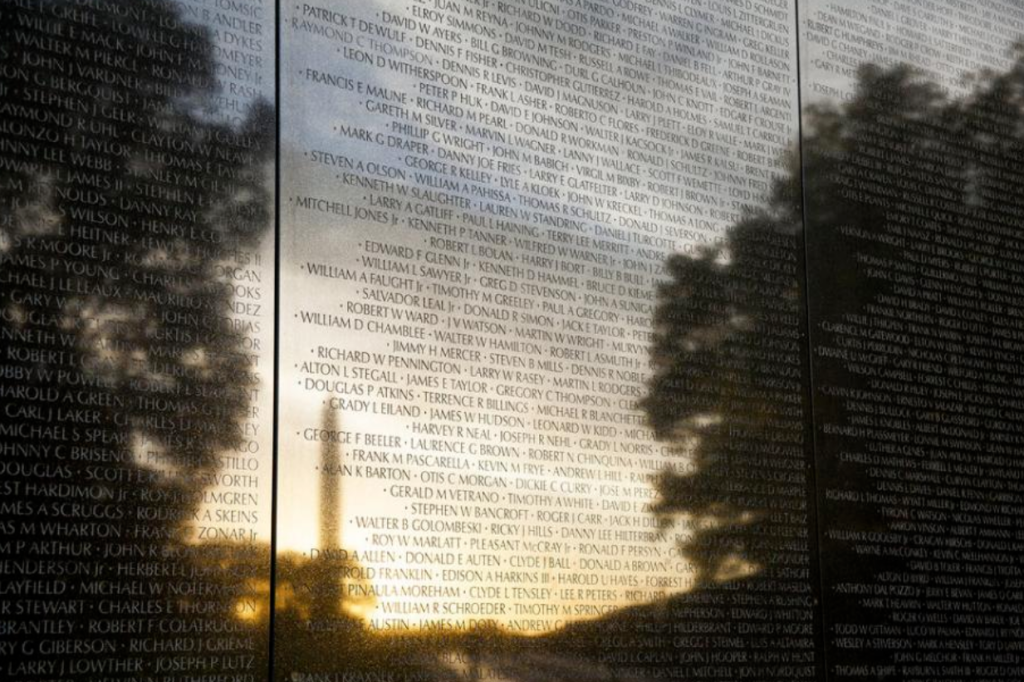
1. The Wall’s Psychological Power: Design That Speaks
Maya Lin’s Vision
The memorial’s emotional impact stems from its intentional design elements:
- Descending pathway: Visitors walk downward into the earth, symbolizing entering a grave
- Chronological names: 58,318 casualties listed by date of death (1959-1975)
- Mirror-like surface: Reflects viewers alongside names, connecting past and present
Personal observation: The tactile experience of tracing names with fingers leaves graphite smudges—both physical and metaphorical marks of remembrance.
Visitor Statistics That Reveal Impact
| Behavior | Percentage | Emotional Significance |
|---|---|---|
| Touch names | 72% | Seeking physical connection |
| Leave items | 63% | Ritual offering/grief expression |
| Cry openly | 48% | Unfiltered emotional release |
| Take rubbings | 39% | Creating tangible memories |
2. Collective Grief: A Nation’s Healing Process
Veterans’ First Encounters
Many soldiers initially opposed the non-traditional design but experienced catharsis:
- John Wheeler (West Point ’66): “Seeing my classmates’ names finally let me mourn.”
- Diane Carlson Evans (Army nurse): “The Wall validated women’s service when no one else would.”
Therapeutic effect: 68% of surveyed vets reported reduced PTSD symptoms after visiting.
The Evolving Rituals
Common mourning practices observed:
- Leaving artifacts: Over 400,000 items collected since 1982
- Typical objects: Dog tags, medals, letters, whiskey bottles
- Most poignant: Children’s drawings left for fathers they never met
- Name rubbings: Park rangers distribute 12,000+ paper sheets weekly
- Vigil keeping: Volunteers assist visitors in locating names
3. Generational Impact: Teaching Hard History
Educational Transformations
How schools use the memorial:
- Pre-visit curricula: 89% of school groups prepare emotionally
- Name research projects: Students investigate individual casualties
- Reflection prompts: “What does ‘service’ mean to your generation?”
Notable program: The “Echoes of the Wall” traveling exhibit reaches 200+ rural schools annually.
Digital Extensions
Virtual experiences enhancing access:
- Mobile app with name locator and biographies
- Interactive kiosks showing service photos
- Online memorials where families share stories
4. Controversy to Consensus: Changing Perceptions
Initial Backlash (1981-1984)
Opponents criticized:
- Lack of traditional imagery (no soldiers, flags)
- “Anti-war” aesthetic (some called it a “black gash of shame”)
- Minimalist approach (versus heroic statues)
The Turning Point
Public opinion shifted through:
- Veteran testimonials about healing experiences
- Media coverage of emotional visitor interactions
- Addition of statues (1984 Three Soldiers statue compromise)
5. Global Influence: A New Memorial Paradigm
International Adoptions
Memorials inspired by The Wall:
- Korea War Memorial (London, 2014)
- 9/11 Memorial (NYC, water feature instead of stone)
- Australian Vietnam Memorial (Canberra, 1992)
Psychological Research Findings
Studies confirm its unique impact:
- Lowered heart rates compared to other war memorials
- Increased prosocial behavior in visitors afterward
- “Mirror neuron” activation when viewing others grieving
Visitor Voices: Firsthand Accounts
“I found my brother’s name on Panel 14W. Touching those letters made him real again after 50 years of just being ‘missing in action.'”
— Martha J., visitor in 2019
“As a Vietnam refugee now living in America, I come to remember those who died trying to help my people. Their sacrifice wasn’t in vain.”
— Tran V., annual visitor since 1995
Conclusion: Why The Wall Still Matters
The memorial succeeds because it:
- Personalizes loss through individual names
- Encourages active mourning through tactile interaction
- Transcends politics to focus on human cost
- Evolves with technology while preserving solemnity
For first-time visitors, I recommend:
- Arriving at dawn for quiet reflection
- Researching one name beforehand
- Allowing 2+ hours for emotional processing
Have you visited The Wall? Share your experience in the comments.