
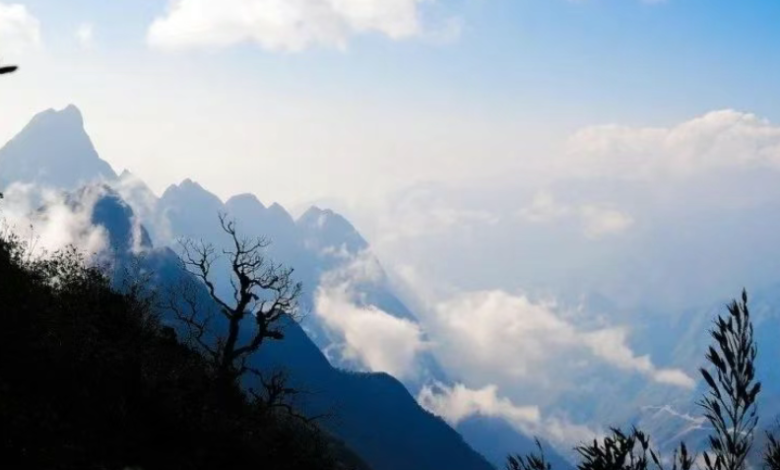
Vietnam is famous for its beaches and bustling cities, but its towering mountains are some of Southeast Asia’s most breathtaking hidden gems. From the misty peaks of Fansipan to the wildflower-covered slopes of Tà Chì Nhù, Vietnam’s highlands offer dramatic landscapes, rich cultural heritage, and unforgettable adventures.
As someone who has trekked through Vietnam’s northern highlands, I can confidently say that these mountains rival the beauty of the Swiss Alps or the Himalayas—but with lush jungles, terraced rice fields, and ethnic minority villages adding unique charm.

This guide covers:
✔ Vietnam’s 10 most stunning mountains (with trekking tips)
✔ Best times to visit (avoid monsoon season!)
✔ Local experiences (homestays, hill tribe markets, and “cloud hunting”)
1. Fansipan – The Roof of Indochina (3,143m)
Location: Sapa, Lao Cai Province
Why Visit? Standing at 3,143 meters, Fansipan is Vietnam’s highest peak—dubbed the “Roof of Indochina.”
What Makes It Special?
- Panoramic Views: On clear days, you can see rolling rice terraces, deep valleys, and even into China.
- Two Ways to Reach the Summit:
- Trekking (2-3 days): The traditional route passes through Muong Hoa Valley and ethnic H’mong villages.
- Cable Car (20 mins): The world’s longest non-stop cable car offers stunning aerial views.
Personal Experience: I took the cable car up but hiked down—the best of both worlds! The morning fog made it feel like walking through clouds.
Best Time to Go
- September-November: Cool, dry weather with golden rice terraces.
- March-May: Wildflowers bloom across the mountainside.
2. Pu Si Lung – Vietnam’s Remote Frontier (3,076m)
Location: Lai Chau Province (near China border)
Why Visit? Vietnam’s 3rd-highest peak, Pu Si Lung remains wild and untouched, perfect for adventurous trekkers.
Highlights
- Ethnic Minority Culture: Home to the H’mong and Dao tribes—stay in a homestay for authentic local experiences.
- Sea of Clouds: In winter, the valley fills with thick, dreamy fog, creating surreal landscapes.
Pro Tip: Hire a local guide—trails are unmarked and challenging.
3. Bach Moc Luong Tu – The “Stone Plateau” (3,046m)
Location: Between Lai Chau & Lao Cai
Why Visit? Known for its unique rock formations and alpine meadows, this is a hidden gem for serious hikers.
What to Expect
- 2-3 Day Trek: The route includes bamboo forests, steep cliffs, and camping under the stars.
- Incredible Sunrise: Wake up early to watch the sun rise over a sea of clouds.
Best For: Those who love solitude—fewer tourists than Fansipan!
4. LangBiang – Dalat’s Romantic Peak (2,167m)
Location: Dalat, Lam Dong Province
Why Visit? A legendary love story (like Romeo & Juliet) surrounds this mountain, making it a must-visit in Dalat.
Highlights
- Easy Hike (or Jeep Ride): Unlike northern peaks, LangBiang is accessible for all fitness levels.
- Stunning Views: From the top, see Tuyen Lam Lake and Dalat’s pine forests.
Local Tip: Visit Lat Village at the base to try weasel coffee with the K’ho ethnic people.
5. Ta Chi Nhu – The “Cloud Hunting” Paradise (2,979m)
Location: Yen Bai Province
Why Visit? Known as “Vietnam’s most poetic peak,” Ta Chi Nhu is famous for cloud-covered vistas.
Best Experiences
- “Hunting Clouds”: Locals say the best time is October-February, when fog blankets the valley.
- Wildflower Season (April-June): The hills turn pink and purple with blooming azaleas.
Personal Highlight: Waking up at 4 AM to watch the sun pierce through the mist—unforgettable!
6. Ba Den Mountain – The Sacred Black Virgin (986m)
Location: Tay Ninh Province
Why Visit? A spiritual site with Buddhist temples and legendary caves.
What to Do
- Hike or Cable Car: Choose between a 2-hour climb or a quick ride up.
- Explore Pagodas: The Linh Son Truong Tho Pagoda offers panoramic views.
Fun Fact: Locals believe wishes made here come true!
7. Hon Giao – The “Fairy Mountain” (1,450m)
Location: Bach Ma National Park (near Hue)
Why Visit? A biodiversity hotspot with rare wildlife and waterfall hikes.
Highlights
- Jungle Trekking: Spot langur monkeys and colorful pheasants.
- Do Quyen Waterfall: A 300m cascade hidden in the forest.
Best Time: March-August (avoid rainy season).
8. Yen Tu Mountain – The Buddhist Pilgrimage (1,068m)
Location: Quang Ninh Province
Why Visit? A sacred site where Vietnam’s Zen Buddhism began.
Must-See
- Ancient Pagodas: Over 11 temples line the trail.
- Cable Car Option: For those who prefer an easier ascent.
Local Tradition: Pilgrims believe climbing Yen Tu brings good karma.
9. Nui Chua – The Coastal Desert Mountain (1,039m)
Location: Ninh Thuan Province
Why Visit? Vietnam’s only desert-like mountain, next to pristine beaches.
Unique Features
- Cactus Forests & Sand Dunes: Feels like another planet!
- Snorkeling Nearby: Explore coral reefs after your hike.
Best For: Adventurers who love contrasting landscapes.
10. Ta Xua – The “Dinosaur Spine” (2,865m)
Location: Son La Province
Why Visit? Famous for its knife-edge ridge and year-round clouds.
Why It’s Special
- “Walking on Clouds”: The Ta Xua “Sea of Clouds” is legendary.
- Ethnic Thai Villages: Stay overnight in stilt houses.
Photography Tip: Visit November-March for the most dramatic fog.
Final Thoughts: Which Mountain Should You Visit?
✅ For Beginners: LangBiang (Dalat) or Ba Den (Tay Ninh).
✅ For Adventurers: Fansipan, Pu Si Lung, or Bach Moc Luong Tu.
✅ For Culture Lovers: Yen Tu or Ta Xua.
My Personal Favorite: Ta Chi Nhu—nowhere else makes you feel like you’re floating above the clouds!
Have you visited any of these peaks? Share your experiences below! 🏔️🇻🇳